

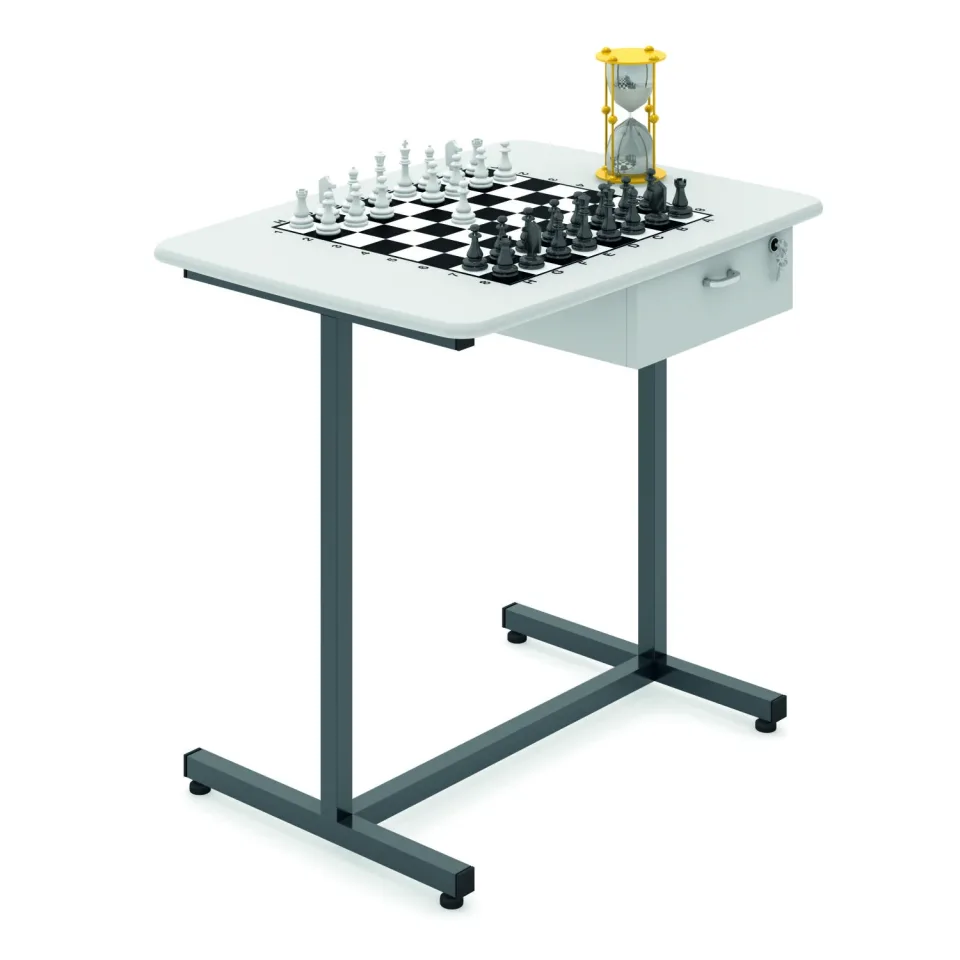
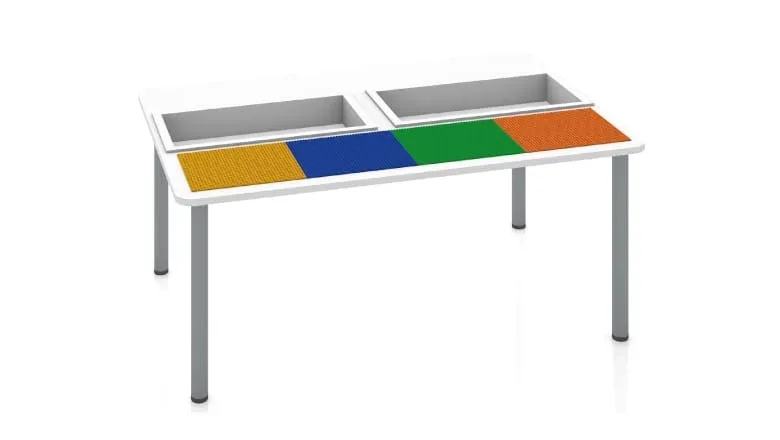

A mind and intelligence classroom is a learning environment that develops individuals' thinking, problem-solving and analytical skills. In these classrooms, students learn logical thinking and how to produce creative solutions. Mind and intelligence training, especially at primary and secondary school age, supports children's academic success.
Mind is the ability to think about abstract concepts. Intelligence refers to the capacity to produce fast and accurate results in this thinking process. Together, they enable individuals to make more effective decisions in daily life.
Benefits of the Mind and Intelligence Classroom
A mind and intelligence classroom not only increases school success but also provides lifelong skills. Students who regularly attend this kind of training learn to approach problems from different angles, and their attention and focus spans increase.
Teamwork and communication skills also develop, because mind and intelligence games are usually played as group activities.
Differences Between the Mind and Intelligence Classroom and Regular Lessons
The table below compares the mind and intelligence classroom with traditional lessons:
| Feature | Mind and Intelligence Classroom | Regular Lessons |
|---|---|---|
| Focus | Problem solving, reasoning | Curriculum knowledge |
| Method | Game-based, interactive | Lecture-based |
| Participation | Active student participation | Passive listening |
| Outcomes | Critical thinking, creativity | Repetition of knowledge |
| Fun Factor | High | Medium/Low |
This table clearly shows why the mind and intelligence classroom is more engaging for students.
Who Should Join a Mind and Intelligence Classroom?
The mind and intelligence classroom suits not only students aiming for academic success but anyone who wants to develop their social skills. It benefits a wide range, from primary school age to adults.
Parents can direct their children to these classes so that they both enjoy their time and develop their mental skills.
Methods Used in the Mind and Intelligence Classroom
The methods used in these classrooms are:
-
Mind games: Chess, tangram, sudoku.
-
Intelligence cards: Memory-strengthening card games.
-
Logic problems: Mathematical puzzles.
-
Team work: Tasks requiring group solutions.
These methods develop students' ability to think both individually and in groups.
Conclusion
The mind and intelligence classroom is a special type of education that provides skills individuals will need throughout their lives. Logical thinking, quick decision-making and creativity are its greatest benefits.
Have you attended a mind and intelligence classroom? What were your experiences? Would you consider such training for your child?